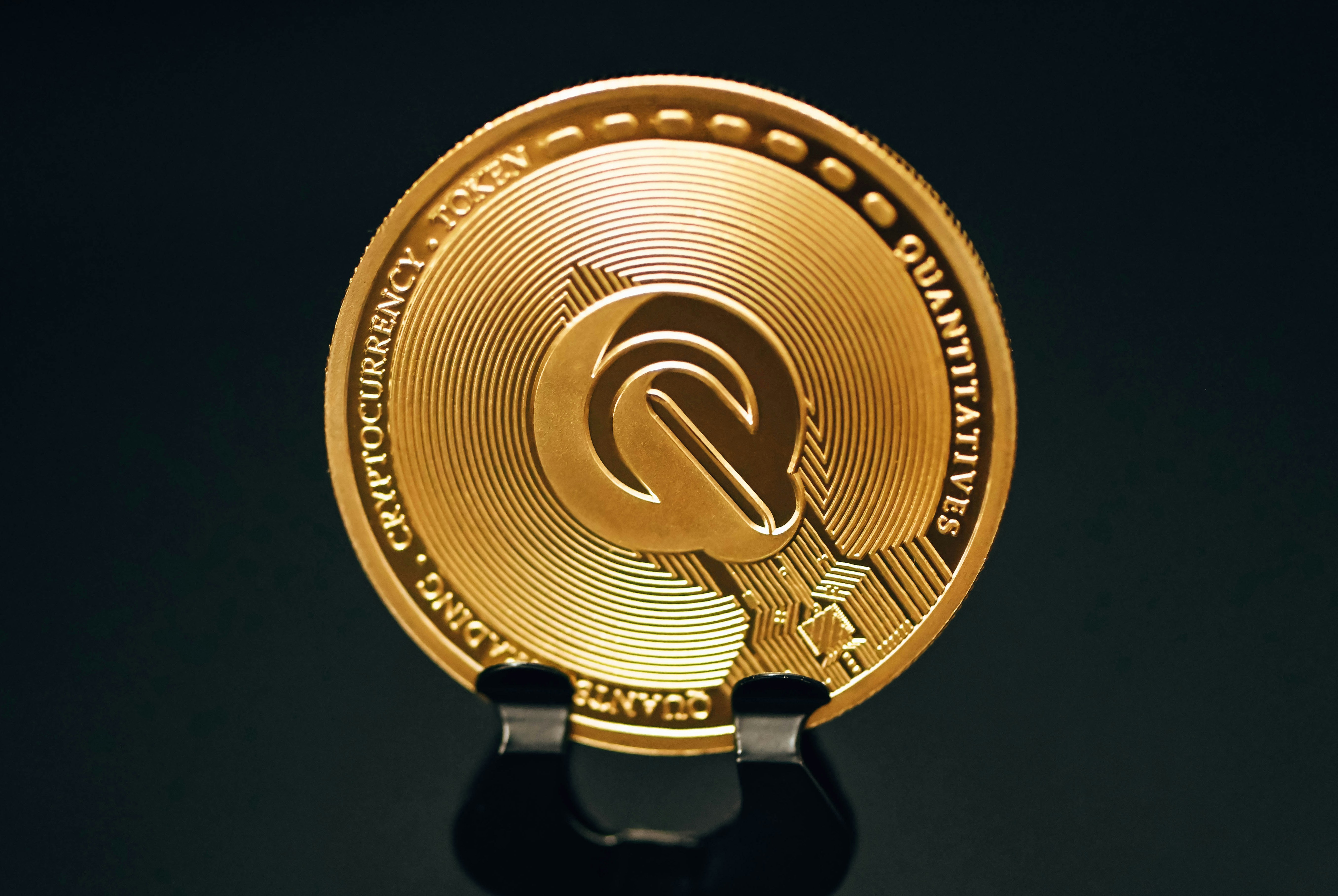
Introduction to NFTs and Their Evolution
Non-Fungible Tokens (NFTs) have emerged as a revolutionary concept in the digital landscape, fundamentally altering how ownership and authenticity are perceived across various sectors. Originally, NFTs gained prominence in the realm of digital art, garnering attention for their ability to represent unique pieces of artwork in a virtual format. The inception of these tokens can be traced back to the Ethereum blockchain, which enabled developers to create and manage digital assets that are distinctly identifiable and cannot be substituted with one another.
As the popularity of NFTs grew within the artistic community, their utility began to expand beyond mere digital representations of artwork. Collectors, artists, and creators began to recognize the potential of NFTs as a means of enhancing provenance and creating verifiable scarcity. This transition opened up new avenues for various applications, laying the groundwork for innovative uses outside the art domain.
In recent years, the concept of NFTs has evolved, capturing interest in diverse fields such as real estate, gaming, and intellectual property. The ability to tokenize real-world assets using NFTs presents a transformative opportunity for asset management and ownership transfer. For instance, real estate, typically mired in complex and often cumbersome transaction processes, can benefit significantly from tokenization, allowing for fractional ownership and more efficient sales. Similarly, intellectual property rights management can be streamlined by employing NFTs, ensuring that rights holders maintain control over their creations with built-in tracking of usage and ownership.
This evolution indicates that NFTs are moving beyond their initial association with digital art toward becoming integral components in the broader economy. As they create new paradigms of ownership, it is essential to recognize the accompanying legal and regulatory hurdles that may impede their progress. Understanding these challenges is vital as industries seek to leverage the full potential of tokenization provided by NFTs.
Understanding Tokenization of Real-World Assets
Tokenization refers to the process of converting ownership rights of real-world assets into digital tokens that are recorded on a blockchain. Through this innovative approach, a diverse range of assets, including real estate, luxury items, and even intellectual property, can be represented in a digital format via Non-Fungible Tokens (NFTs). This transformation allows for a more seamless transaction process, as the assets can be managed and traded on a decentralized platform without the traditional barriers associated with their ownership.
One of the key benefits of tokenization is the enhancement of liquidity. In conventional markets, many assets can take significant time to sell, often requiring extensive negotiations or intermediaries. However, by tokenizing these assets, sellers can access a broader pool of potential buyers, thereby accelerating the sales process. Additionally, the ability to trade tokens representing fractions of high-value assets means that investors can participate in ownership without needing substantial capital. For example, luxury real estate properties can be tokenized into shares, enabling multiple investors to collectively own portions of a property, thereby democratizing access to investment opportunities.
Moreover, tokenization increases the accessibility of investment opportunities for individuals who may not have previously had access to certain markets. Through NFTs, even small investments in tangible assets become viable options for a wider audience. An individual could, for instance, invest in tokenized fine art pieces or wine collections without the prohibitive costs typically associated with purchasing such high-value items outright. This newfound accessibility fosters a more inclusive investment ecosystem, bridging gaps that once disallowed participation from smaller investors.
In summary, as the paradigm of asset ownership evolves with tokenization, a myriad of opportunities arise, along with the promise of enhanced liquidity, fractional ownership, and broader accessibility for a diverse range of assets. The shift towards digital representation of physical items marks a significant step towards the modernization of asset management and investment.
Use Cases of Tokenized Real-World Assets
Tokenizing real-world assets has opened up a wealth of possibilities across various sectors, enabling both investors and asset holders to maximize their potential. One prominent use case is in real estate, where fractional ownership through tokenization allows multiple investors to purchase shares of an asset. This approach not only lowers the required capital for entry but also enhances liquidity since real estate traditionally entails lengthy sales processes. Tokenized real estate platforms can facilitate quicker transactions, offering transparency and security through smart contracts.
In addition to real estate, tokenization has made significant inroads into the realm of artwork. By converting physical art pieces into digital tokens, artists and collectors can sell shares of their works without relinquishing complete ownership. This model democratizes access to art investments; buyers can own a fraction of renowned pieces or emerging talents, making the market more accessible to individuals without the means to purchase entire works. Furthermore, provenance and ownership information can be securely stored on the blockchain, mitigating issues of forgery and ensuring authenticity.
Luxury items represent another innovative application of tokenized assets. By employing blockchain technology, high-value commodities such as watches, jewelry, and collectibles can be tokenized, enhancing their liquidity and traceability. Tokenization provides an effective solution to counterfeiting, offering buyers assurance through verified ownership history. Sellers can also benefit from improved market access, as fractional ownership allows them to reach a broader audience while maintaining value retention.
Furthermore, tokenizing real-world assets not only provides a new investment avenue but also challenges traditional market structures by introducing more robust methods of asset management and trading. With the rise of decentralized finance (DeFi), these trends will likely expand, reshaping the financial landscape for both investors and asset holders.
Legal and Regulatory Challenges
The tokenization of real-world assets through non-fungible tokens (NFTs) introduces numerous legal and regulatory challenges that must be addressed for successful implementation. One of the primary concerns revolves around ownership rights. Determining who holds the rights to an asset after it has been tokenized can be complex. If an NFT represents ownership of a physical asset, the existing legal framework may not adequately address how these rights are transferred or enforced. This ambiguity can lead to disputes, particularly if multiple NFTs claim to represent the same asset.
Jurisdictional issues also complicate the legal landscape of NFTs. Since blockchain technology allows for a decentralized and global reach, different legal systems may apply to various aspects of NFT transactions. As a result, navigating jurisdictional differences becomes critical for stakeholders. An NFT that is legally valid in one jurisdiction may not hold the same status elsewhere, potentially leading to enforcement challenges and legal uncertainties for investors.
Moreover, compliance with existing laws is paramount. NFTs may intersect with various regulatory frameworks, including securities laws, intellectual property regulations, and consumer protection statutes. As authorities continue to analyze the implications of NFTs and their underlying assets, a lack of regulatory clarity can hinder innovation. Businesses exploring the tokenization of real-world assets must carefully consider these regulations to ensure compliance while also attempting to foster a conducive environment for NFT adoption.
In addition to these challenges, there is an urgent need for regulatory clarity as the NFT ecosystem evolves. Policymakers are tasked with creating frameworks that address the unique characteristics of NFTs without stifling innovation. Clear guidelines can assist stakeholders in successfully navigating the complexities of tokenization, facilitating a more robust and legally sound market for real-world assets represented as NFTs.
Current Legal Frameworks Affecting NFTs
The burgeoning realm of non-fungible tokens (NFTs) and tokenized assets has necessitated a thorough examination of existing legal frameworks that govern these digital entities. As the landscape is still evolving, various legal issues arise, primarily concerning securities laws and intellectual property rights. In many jurisdictions, NFTs may be classified as securities, depending on the nature of their underlying assets and the expectation of profit derived from them. This classification could entail compliance with stringent regulatory requirements, thereby complicating the process of tokenization.
Different countries demonstrate varying interpretations of how NFTs should be treated under their legal structures. For example, in the United States, the Securities and Exchange Commission (SEC) has indicated that certain NFTs, particularly those aligned closely with investment contracts, could be subject to securities regulation. Thus, creators of NFTs in the U.S. must navigate these regulatory waters with care to avoid potential legal liabilities. Similarly, countries in Europe and Asia approach the tax implications and regulatory measures associated with NFTs distinctly, contributing to the complexity of operating in a global marketplace.
Moreover, intellectual property rights play a crucial role in the lives of NFTs. The ownership of an NFT does not automatically confer copyright or trademark rights to the underlying digital asset. This distinction can lead to disputes over the ownership and legality of using NFTs that represent underlying works. Legal battles centering around the reproduction and distribution rights of digital designs reflect ongoing challenges creators face when minting NFTs.
As blockchain technology continues to revolutionize various industries, legal frameworks must evolve to address the myriad challenges associated with NFTs and tokenized assets. It is imperative for creators, buyers, and collectors to remain aware of their respective jurisdictions’ specific regulations surrounding NFTs to ensure compliance and protect their interests.
Future Trends in NFT Legalization and Regulation
The landscape of Non-Fungible Tokens (NFTs) is rapidly evolving, and with this evolution comes a pressing need for comprehensive legal frameworks. As NFTs continue to gain traction beyond digital art, encapsulating real-world assets such as real estate, intellectual property, and financial securities, the future of NFT legalization is paramount. Emerging trends suggest that regulators around the globe are beginning to take notice and adapt their laws to address the unique characteristics of these digital assets.
One prominent trend is the increasing interest in defining and recognizing NFTs under existing intellectual property laws. As businesses and individuals explore the tokenization of various assets, there is a push towards creating clear legal definitions for NFTs to protect ownership rights and mitigate infringement risks. Intellectual property frameworks may evolve to accommodate blockchain technology, enabling creators to assert their rights confidently while providing legal recourse in an increasingly digital marketplace.
Additionally, regulatory bodies are likely to advance their understanding of how NFTs function within financial markets. The possibilities of tokenized securities could lead to a major shift in how asset ownership is perceived. Future regulations might introduce comprehensive guidelines to ensure transparency, prevent fraud, and protect investors while recognizing NFTs as legitimate financial instruments.
Some analysts predict that the rise of decentralized finance (DeFi) will also shape NFT regulation, prompting regulators to address issues related to liquidity, market manipulation, and consumer protection. Governments may adopt a proactive instead of a reactive approach, developing policies that foster innovation while ensuring that the economic benefits derived from NFTs do not come at the expense of accountability and security.
As the technology matures and integrates into mainstream markets, it is vital for stakeholders to engage in dialogue with regulatory entities. Ultimately, the future will see a more structured approach to the legalization and regulation of NFTs, balancing innovation and protection in an ever-changing digital economy.
Innovative Solutions to Address Legal Hurdles
The tokenization of real-world assets offers vast potential, but the accompanying legal challenges must be addressed effectively to foster widespread adoption. One innovative solution is the use of smart contracts, which can automate and enforce agreements through self-executing code. These contracts operate on blockchain technology, ensuring transparency, security, and immutability. By embedding legal clauses directly into the contract, parties can streamline transactions while ensuring compliance with relevant regulations. This technology not only reduces the potential for disputes but also mitigates the need for intermediaries, thus lowering transaction costs.
In addition to smart contracts, decentralized law frameworks are emerging as a means to navigate the complexities of legal compliance in the tokenization landscape. These frameworks leverage blockchain’s decentralized nature to create systems where legal processes can be conducted more efficiently. By utilizing decentralized applications (dApps), parties can engage in contracts that are enforceable and traceable, fostering trust among participants. Such frameworks are particularly beneficial in jurisdictions where traditional legal systems may be slow or cumbersome, offering a more agile alternative to conventional methods of dispute resolution.
Furthermore, the development of regulatory sandboxes has become a pivotal approach in this regard. These controlled environments allow innovators to test their tokenization solutions with reduced regulatory scrutiny, enabling them to demonstrate compliance while refining their offerings. Regulators can observe the evolving landscape and adapt regulations accordingly, creating a conducive atmosphere for innovation. Such collaborative efforts between regulatory bodies and technology developers are crucial in establishing a robust framework that promotes the safe proliferation of tokenization, while addressing the legal hurdles inherent in such transformations. The confluence of technology and law will significantly shape the future of asset tokenization, driving its acceptance and integration within the global marketplace.
Case Studies: Successful Tokenization of Assets
The process of tokenizing real-world assets has gained considerable traction in various sectors, demonstrating the viability of non-fungible tokens (NFTs) beyond art. One prominent case is that of real estate, exemplified by the project in which a luxury condominium was fractionalized and digitized on the blockchain. By breaking down the value of the property into smaller, tradeable tokens, investors could purchase shares at affordable prices. This process not only increased accessibility to a traditionally exclusive market but also ensured liquidity for asset holders, showcasing a transformative shift in real estate investment dynamics.
Another notable example is the tokenization of fine wine. Companies have emerged that allow investors to own shares of curated collections of rare wines, with each bottle represented as an NFT. The tokenization process involves assessing the wine’s market value, packaging it within a smart contract to ensure provenance, and subsequently allowing the token transfer on a blockchain. This method addresses the challenges of storage, insurance, and authenticity verification that accompany physical asset ownership, turning the fine wine market into a viable investment vehicle accessible to a broader audience.
The tokenization of art itself must not be overlooked. Projects that enable collectors to acquire fractional ownership of valuable artworks have revolutionized the art market. In this case, the tokenization process involves cooperating with galleries and artists to emphasize the cultural significance while implementing security measures to protect against forgery. Technology ensures that each token serves as a certificate of ownership, thus providing both physical and digital provenance. The evident benefits include increased democratization of art investment, diversified portfolios for collectors, and the ability for artists to unlock value quicker.
Through these case studies, it is clear that successful tokenization of assets can provide innovative solutions to traditional market barriers, paving the way for more inclusive investment opportunities.
Conclusion and Future Outlook
In recent years, non-fungible tokens (NFTs) have gained significant traction, primarily in the art sector. However, as discussed, their potential extends far beyond digitized artwork, encompassing a wide array of real-world assets such as real estate, intellectual property, and collectibles. This ongoing evolution signifies a transition towards a more decentralized ownership model, which could democratize access to various types of assets. A fundamental aspect of this paradigm shift is the recognition of the legal implications that come with tokenization.
The complexity of the legal landscape surrounding NFTs cannot be overstated. Various jurisdictions are grappling with how to classify these digital assets, leading to disparate regulations that could affect parties engaging in NFT transactions. It is crucial for stakeholders, including creators, investors, and legal professionals, to be well-versed in these regulatory frameworks. This ensures compliance and mitigates potential legal risks, thereby fostering a more stable environment for NFT growth.
Looking ahead, the future of NFTs appears promising, particularly as industries such as finance, real estate, and entertainment start to explore innovative applications of this technology. For example, tokenizing real estate could revolutionize the way property transactions are conducted, making them more efficient and accessible. Additionally, NFTs could serve as proof of ownership for a myriad of assets, further solidifying their relevance across different sectors.
However, the journey is not without challenges. Stakeholders must navigate regulatory uncertainties and strive for a comprehensive legal framework that supports innovation while protecting participants in the ecosystem. The successful integration of NFTs into various sectors will depend on ongoing dialogue and collaboration among lawmakers, industry experts, and the communities involved. All these factors underscore the importance of comprehensively understanding the legal dimensions surrounding NFTs and adopting a proactive approach to navigate the complexities that lie ahead.